
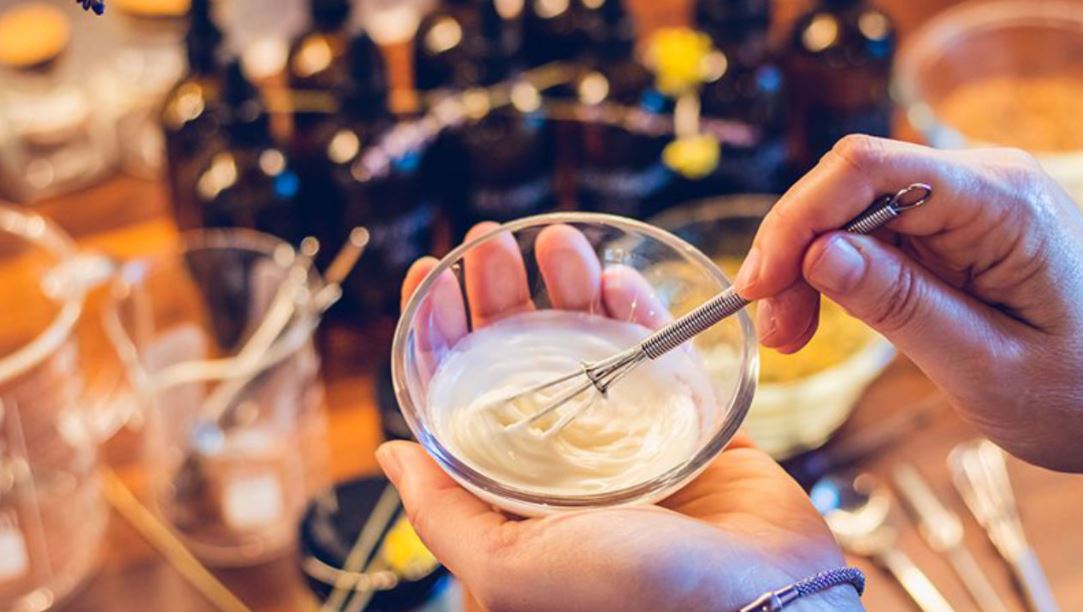
Natural beauty creams or cosmetics are widely preferred because of the benefits they offer. They do not subject you to any side effects and provide nutritional value. Theobroma Secrete Cacao has a range of natural skincare products, including the new vegan skincare line ideal for your skin.
Natural beauty creams contain organic ingredients. You should be careful about some elements in different creams that purport to be natural skincare products. Here are ingredients that should not be in a natural beauty cream
Synthetic Flavors
If there is no star next to the “perfume/fragrance” inscription in the list of ingredients with an explanation that the source of the fragrance is natural, then most likely, the fragrance is not natural. The synthetic fragrances themselves irritate the respiratory tract and also mask other toxic substances in the cream that can cause unwanted skin and even psychological reactions. And even without reading the composition, you can catch the synthetics in the aroma, by too sweet, incredibly fruity, or fresh smells. Even if they are pleasant to you at the first sensations, their deeper impact will only harm the body.
Toxic Preservatives
For example, parabens. On the label of cosmetics, you can see under the names: methylparaben, propylparaben, and butylparaben. Although there is still controversy about the harm of parabens, it has already been proven that they have extragenic activity and, when accumulating to a critical dose in the body, disrupts the hormonal system (which can easily happen, given the number of hygiene products with parabens that we use daily).
Other dangerous preservatives include:
- Formaldehyde
- DMDM-hydantoin (DMDM – Hydantoin).
- Bronopol (2-bromo-2-nitropropane-1.3-diol).
- Imidazolidinyl Urea.
- Diazolidinyl Urea (Diazolidinyl Urea).
- Bronopol (2-bromo-2-nitro-propandiol-l, 3).
- Methylchloroisothiazolinone (Methylchloroisothiazolinone).
- Phenoxyethanol
- Triclosan
Phthalates
Phthalates are found in a wide variety of products – from perfumes, lotions, and deodorants to toys and food packaging – and raise concerns about potential health risks, including impairment of fertility.
We have talked only about the most widely used hazardous ingredients in cosmetics, but the list is not limited to them. If you do not have time to understand deeper, then we offer you the second way, how to buy a natural skin cream.
Focus on eco-labeling. Save yourself a plate with organic product certificates and look for them on cosmetics packaging – these are the logos of international organizations that independently check the production, composition, and packaging of cosmetic products for compliance with established safety criteria. Of course, not every natural cream will do you good. For cosmetics to work, they need to match your skin type.